
Posts Tagged ‘uc berkeley’

MSE seeks new faculty in AI for Materials
The University of California, Berkeley invites applications for an approved faculty position at the non-tenured (tenure-track) Assistant Professor level in the area of AI for Materials. This appointment will start as a 100% Materials Science and Engineering (MSE) appointment, with the appointee joining the Bakar Institute for Digital Materials for the Planet (BIDMaP) in the…
Read More
MSE seeks new faculty in electronic and functional materials
The University of California, Berkeley invites applications for an approved faculty position at either the non-tenured (tenure-track) Assistant Professor level or the tenured Associate Professor level in the area of Electronic, Functional, and Quantum Materials. Rank will be determined based on qualifications and experience. This appointment will be a joint 50% Materials Science and Engineering…
Read More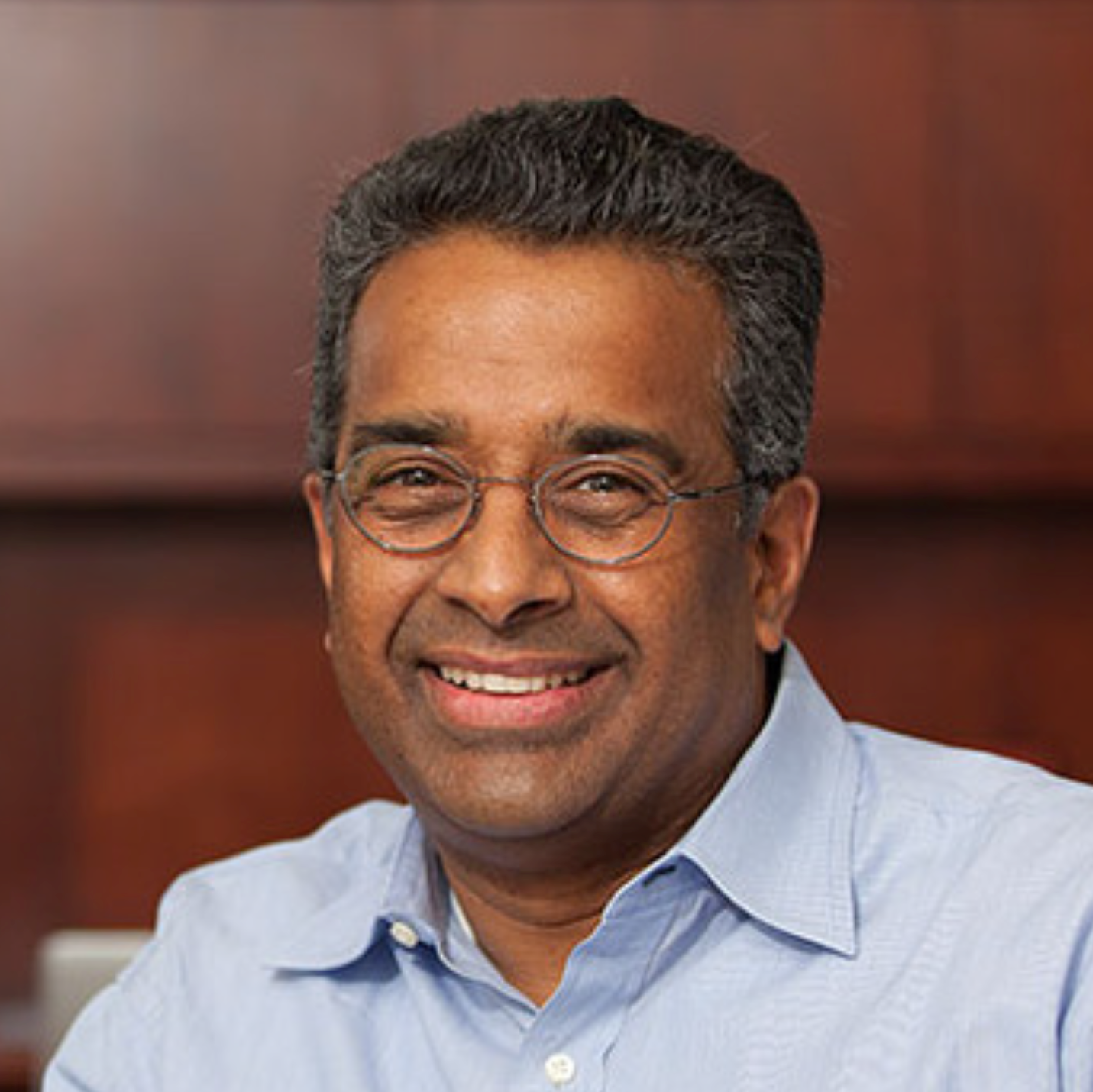
Prof. Ramesh has been elected as a Fellow of the Royal Academy of Engineering (FREng)
The Royal Academy of Engineering is the UK’s national academy of engineering, delivering public benefit from engineering excellence and technology innovation, providing progressive leadership for engineering and technology and independent expert advice to government in the UK and beyond, and bringing together an unrivalled community of leading businesspeople, entrepreneurs, innovators and…
Read More
MSE Alumni Celebrate Prof. Morris’s Career
On August 30, 2026, about 50 MSE alumni gathered in Hearst Memorial Mining Building to celebrate Prof. John “Bill” Morris’s remarkable career spanning more than 50 years at UC Berkeley. Alumni traveled from across the country to reconnect with one another and the MSE community and to share their memories and experiences with Prof.…
Read More
Berkeley Summer Academy of Science (BSAS) program 2026
Closing ceremony during Berkeley Summer Academy of Science (BSAS) program, hosted by GLOBE, at UC Berkeley’s Hearst Memorial Mining Building in Berkeley, Calif. on Friday, July 17, 2026. (Photo by Adam Lau/UC Berkeley Engineering) Berkeley Summer Academy of Science (previously known as the “Berkeley Summer Academy of Sustainability”) is an intensive 2-week high school program…
Read More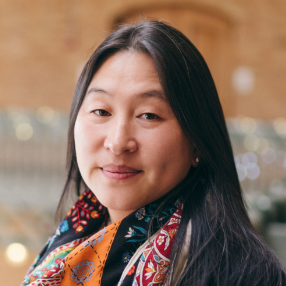
Biodegradable fabric research team led by Prof. Ting Xu awarded $10 million from Bezos Earth Fund
In a bold effort to address the growing challenge of textile waste in landfills, the Bezos Earth Fund has awarded $10 million to research led by Prof. Xu and team at UC Berkeley and Californian universities, to develop biodegradable fibers that can rival the strength and flexibility of natural materials. https://news.berkeley.edu/2026/04/24/uc-berkeley-led-biodegradable-fabric-research-awarded-10-million-from-bezos-earth-fund/
Read More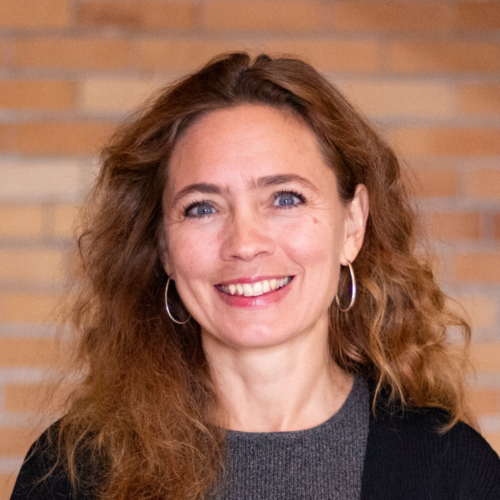
Prof. Kristin Persson elected to the American Academy of Arts and Sciences
The Academy recognizes accomplished individuals and engages them in addressing the greatest challenges facing the U.S. Prof. Persson uses machine learning, experimental data and computational databases to design and create new materials for energy applications, such as highly efficient batteries, photovoltaics and catalysts. https://news.berkeley.edu/2026/04/24/seven-uc-berkeley-faculty-elected-to-the-american-academy-of-arts-and-sciences/
Read More
Prof. Messersmith on Brains On! Podcast
Prof. Messersmith was recently featured on the kids’ science podcast “How Do Stickers Stick?” by BrainsOn.org – one of the top science podcasts for school aged children, with over 1 million downloads per month! You can listen to the episode on the Brains On! website, or on your favorite platform, including Apple Podcasts and Spotify.
Read More
The AI Revolution in Materials Science, Led by Prof. Persson
Kristin Persson, director of the Materials Project. (Credit: Roy Kaltschmidt/Berkeley Lab) The open-access materials database managed by Berkeley Lab has surpassed 650,000 registered users, enabling AI-ready scientific datasets at an unprecedented scale for batteries, quantum computing, microelectronics, and more. For more details, read https://lbl.us18.list-manage.com/track/click?u=ebf9be162b79ac7f78f1b71ea&id=3715b12170&e=ea9f22c249
Read More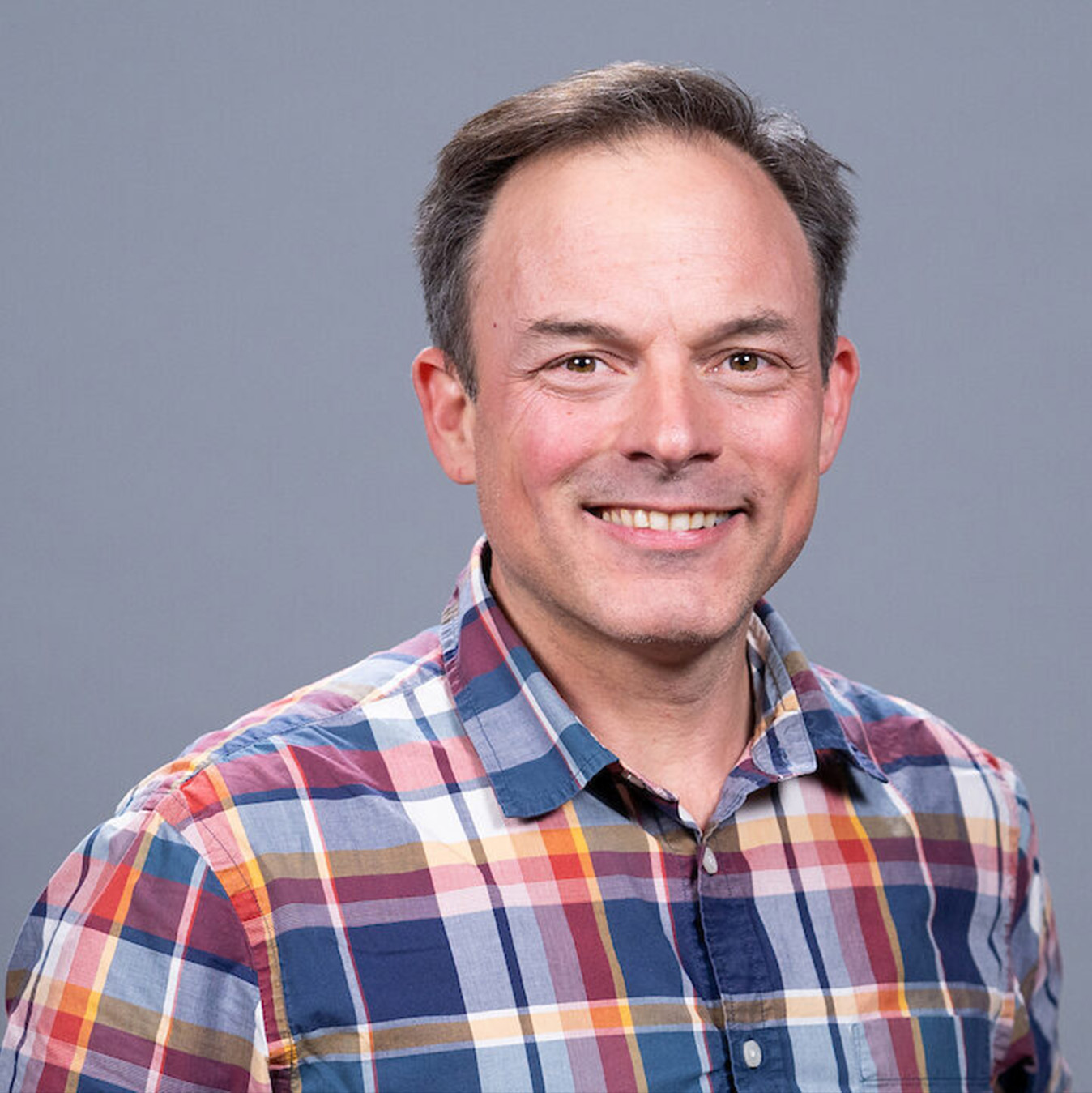
Peter Hosemann Named Adjunct Professor at Montanuniversitaet Leoben
Peter Hosemann has been awarded the honorable title of Adjunct Professor at Montanuniversitaet Leoben, his alma mater. This distinction is granted to alumni recognized for their outstanding achievements in research and teaching, demonstrated through international recognition and a significant publication record. The award will be presented on December 19th in Austria during the…
Read More